Guide
The Best Middleweight Supersport Motorcycles of 2026
4 min read
From middleweight all-rounders to globe-crossing giants, these are the best adventure (ADV) motorcycles of 2026 for tarmac, trail, and everything between.
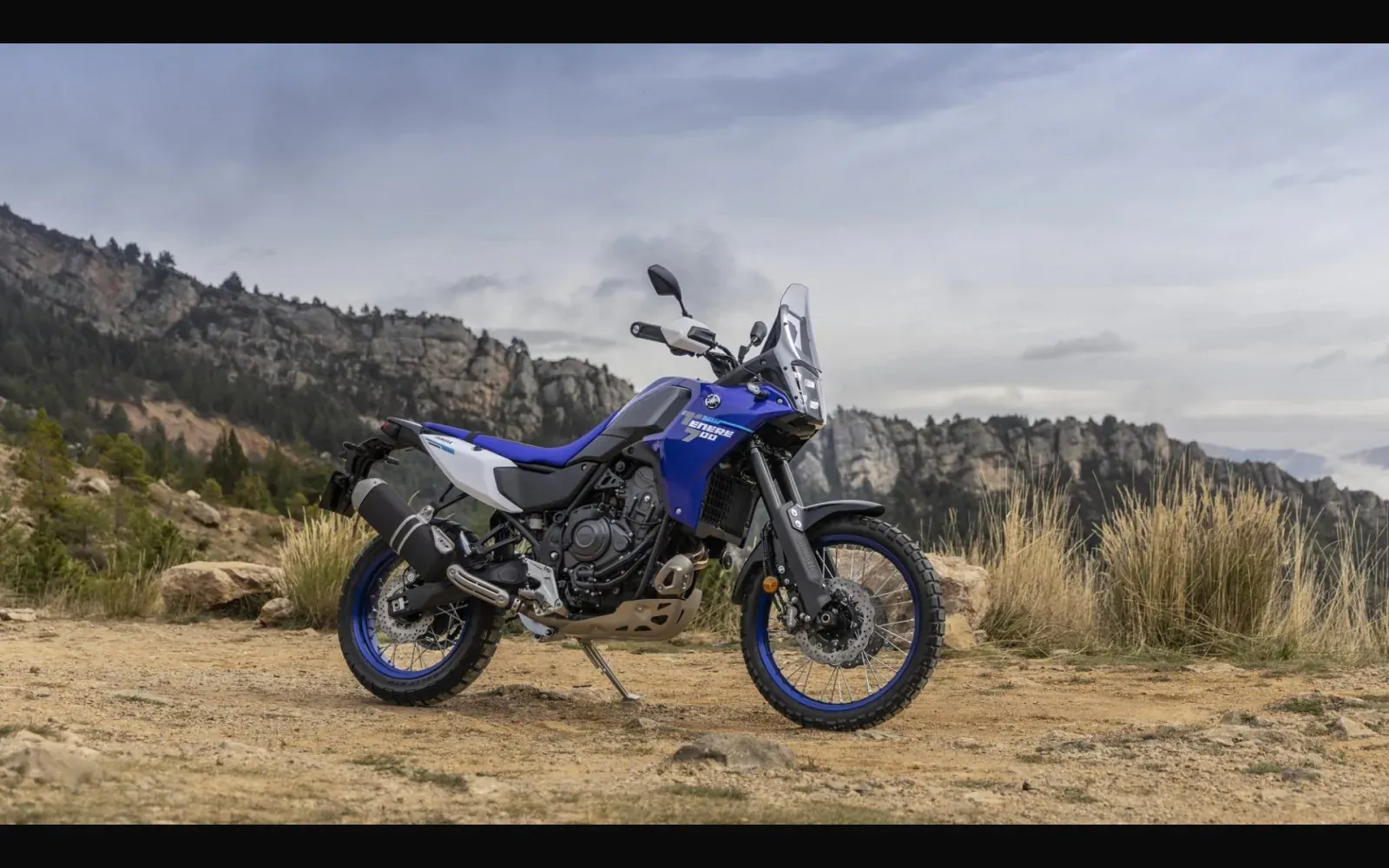
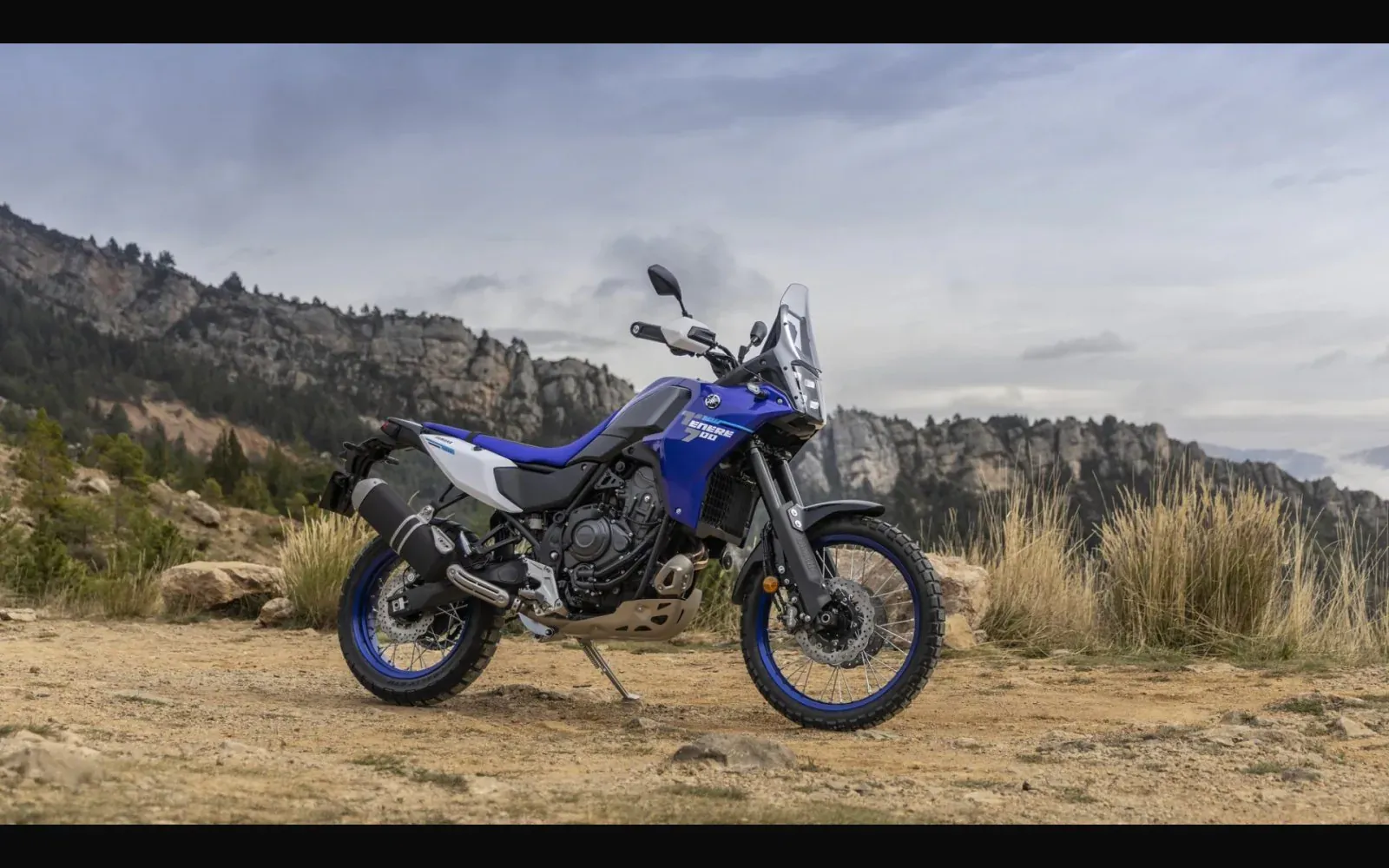
Simple, tough, and brilliant off-road. Proof you don't need electronics and 150 horsepower to cross a desert.
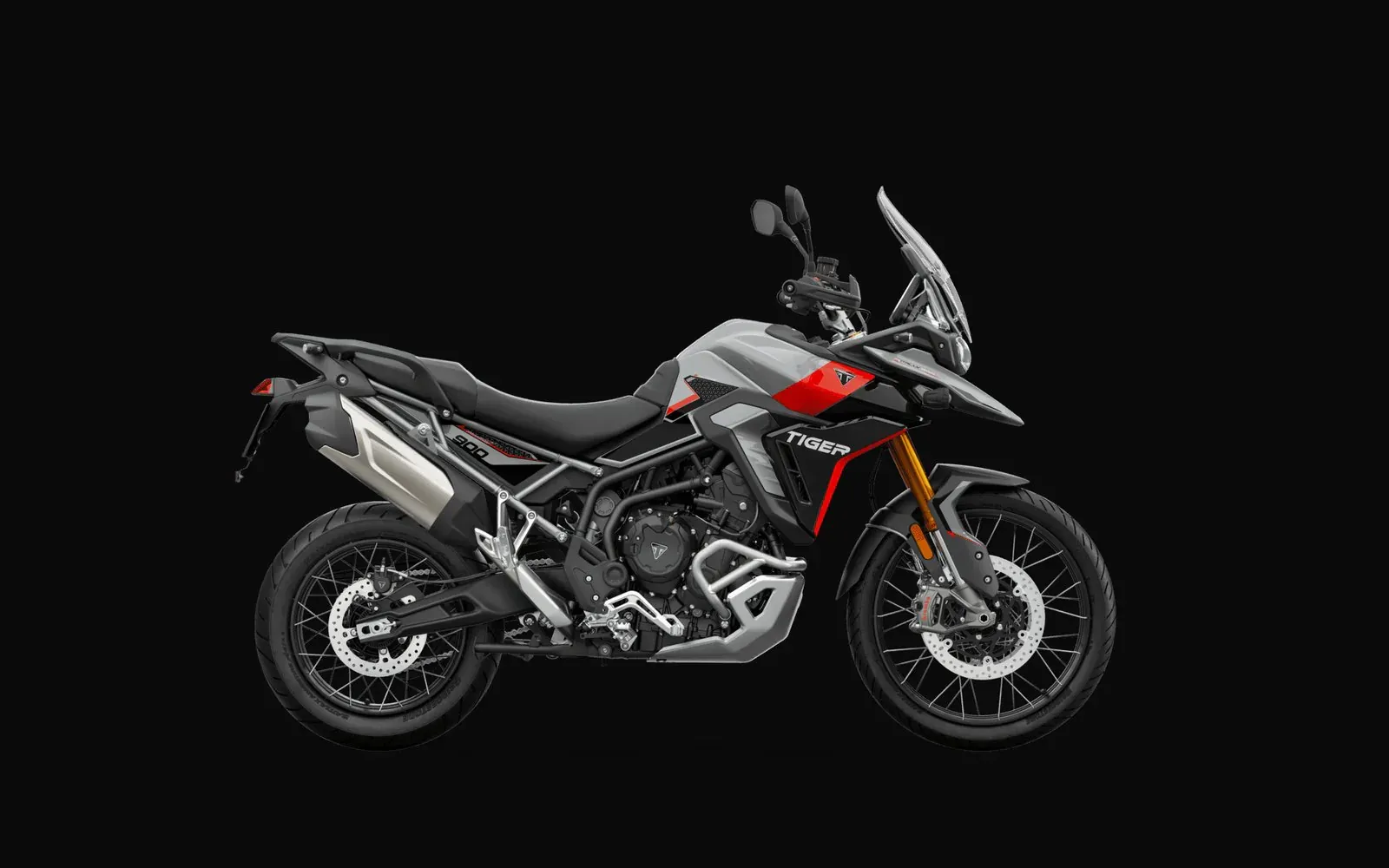
Nails the balance between road manners and trail ability, with a characterful triple that's more exciting than its German rivals.
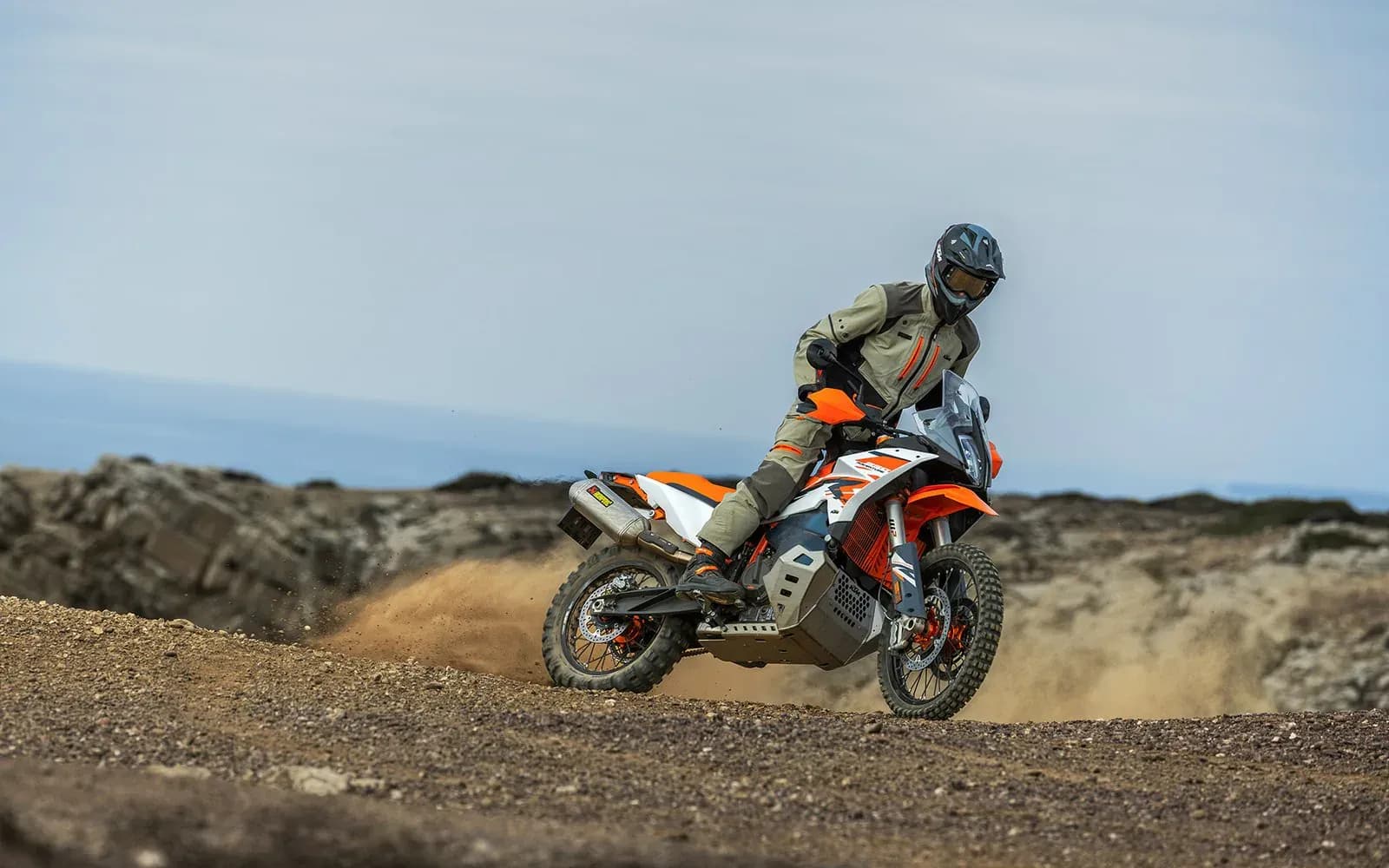
As close to a rally bike as you can ride to work. Built for gravel, ruts, and the occasional river crossing.
There is a particular kind of promise stitched into an adventure bike, and you feel it before you've turned a wheel. It's there in the tall, upright riding position that lets you see over hedgerows and traffic alike; in the long-travel suspension that turns a broken back road into a magic carpet; in the knobby-ish tyres that whisper about gravel switchbacks and dawn fuel stops in towns you can't yet pronounce. These machines are sold on a fantasy of distance and dirt: a single-track trail dissolving into a horizon of dust, panniers loaded, no return ticket. The honest truth is that most adventure miles are tarmac, ridden to work and back, and that's exactly the point. A good ADV is the most versatile motorcycle you can own precisely because it can do the Tuesday commute and the once-a-year transcontinental haul without ever feeling out of its depth. Below are the three middleweights worth your money in 2026, and a clear-eyed guide to choosing between them.
The Ténéré 700 is the bike that reminded everyone why they fell for adventure riding in the first place. Where rivals piled on rider-aids and horsepower, Yamaha built something deliberately, almost stubbornly, analog. At its heart is the 689cc CP2 parallel-twin with its 270-degree crank, the same gutsy, V-twin-sounding motor from the MT-07, making roughly 72 hp at 9,000 rpm and 68 Nm at 6,500 rpm. It's not fast on paper, but the torque arrives early and honestly, and on a loose climb that linearity is worth more than any peak figure.
Off-road is where the T7 sings. At around 204 kg kerb it's no flyweight, but it carries that mass low and disappears beneath you the moment the surface turns to dirt. The 21-inch front and 18-inch rear wheels, paired with roughly 210 mm of suspension travel, let you charge ruts and rocks with a confidence that more powerful bikes can't match. On road it's buzzy at motorway speeds and the wind protection is modest, but point it at a twisty B-road and the chassis rewards you.
No IMU, no cornering ABS, no ride modes on the base bike, just switchable ABS and a rider who has to actually ride. For a lot of people, that's the whole appeal.
If the Ténéré is a purist's tool, the Tiger 900 is the diplomat, the bike that refuses to make you choose. Triumph's 888cc inline-triple uses a clever T-plane crank that gives it the low-down grunt of a twin with the top-end howl of a triple, and the result is one of the most characterful engines in the class: roughly 108 hp at 9,500 rpm and 90 Nm at 6,850 rpm. It pulls cleanly from walking pace, then hardens into a proper soundtrack when you wind it out.
The Tiger comes in two distinct flavours, and choosing correctly matters more than choosing the bike. The road-biased GT trims run cast wheels and firmer-set street suspension for sport-touring composure; the off-road Rally trims add a 21-inch front wheel and long-travel WP or Showa suspension for genuine trail credibility. Kerb weight ranges from roughly 201 to 228 kg depending on spec and fuel, so a loaded Rally Pro asks more of you in deep sand than the Yamaha does, but on a fast gravel road or a 600-mile touring day, few bikes feel as complete.
The 890 Adventure R is what happens when a company with Dakar trophies builds a road-legal bike and barely compromises. The 889cc LC8c parallel-twin is the muscle of this group, serving up about 105 hp at 8,000 rpm and a thumping 100 Nm at 6,500 rpm, torque you feel in your spine when you crack the throttle out of a hairpin or claw up a rocky ledge.
What sets the R apart is the chassis philosophy. The distinctive low-slung fuel tanks carry weight down by your ankles rather than up at the bars, transforming how the bike behaves when it's leaned over or sliding. WP XPLOR suspension offers roughly 240 mm of travel front and rear, more than anything else here, and the 21-inch front / 18-inch rear wheels, narrow standing-up ergonomics, and rally-style cockpit make it feel less like a tall-rounder and more like an enduro that happens to be plated. At around 210 kg it's no lighter than its rivals, but it hides its weight better in the rough than almost any production ADV.
Three excellent bikes, three different riders. Here's how to find yours before you sign anything.
The romance of the adventure bike is real, the horizon, the dirt road that might go anywhere, the sense that the journey could simply keep going. But the best ADV for you is the one that disappears beneath you on the riding you actually do. Buy the Ténéré 700 if you crave honesty and dirt, the Tiger 900 if you want one bike to do everything, and the 890 Adventure R if the trail is the whole reason you ride. Whichever you pick, the open road is waiting, and so is the dirt one branching off it.