Guide
The Best Retro and Modern Classic Motorcycles of 2026
4 min read
New to riding? These are the best beginner motorcycles of 2026: approachable, forgiving, and genuinely fun bikes that won't outgrow you in a season.
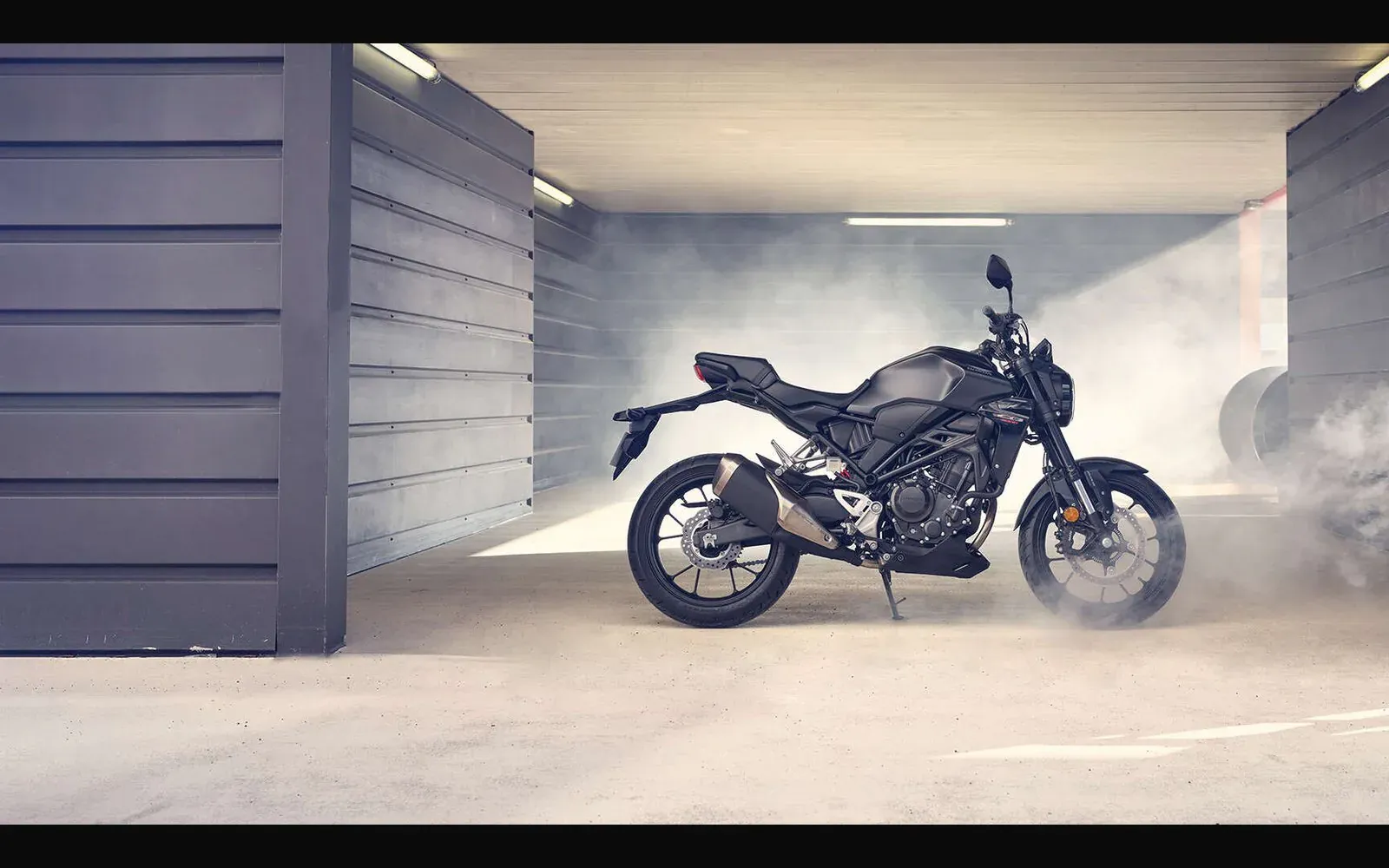
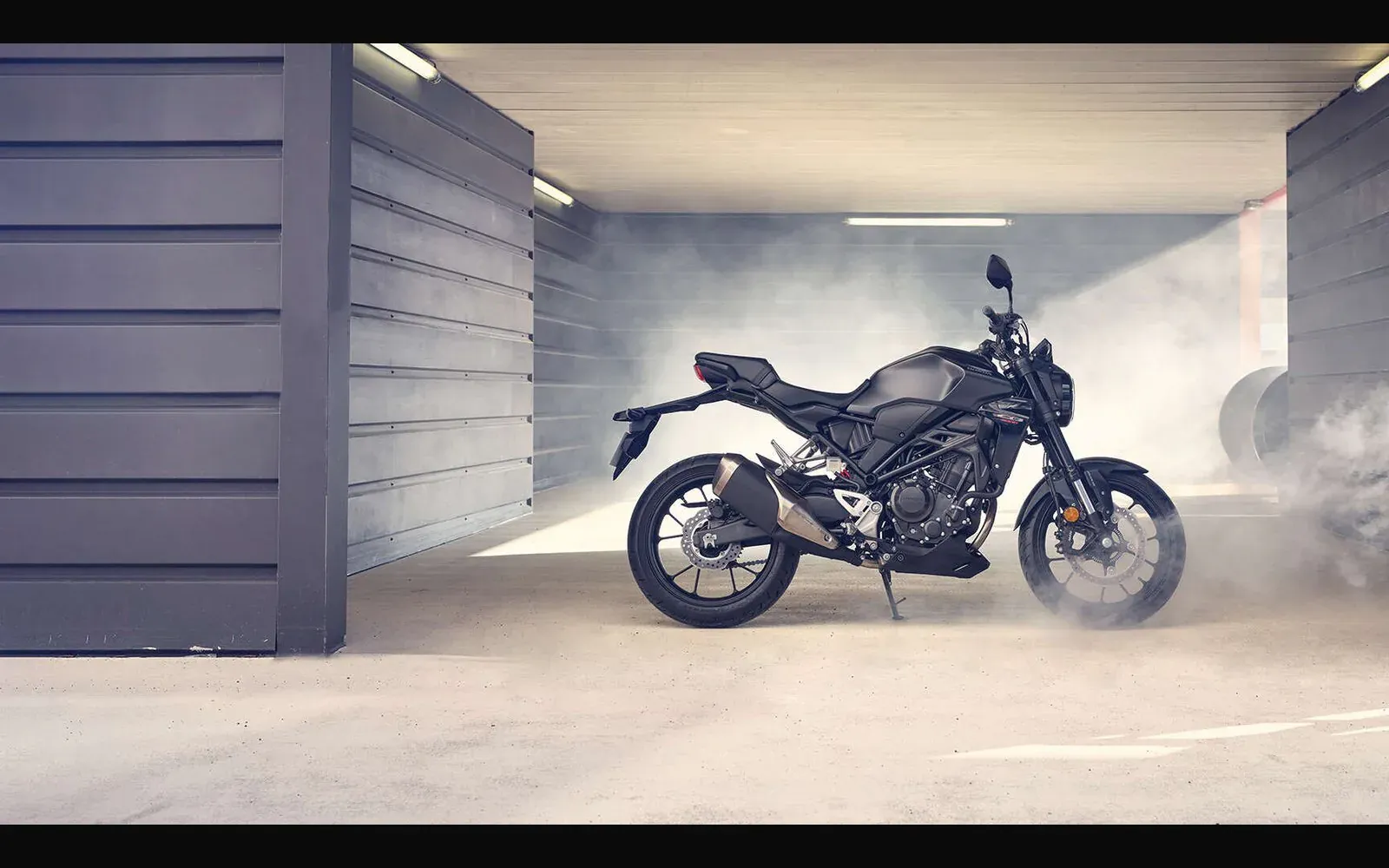
Light, friendly, and almost impossible to stall. The gold standard for new riders, with bulletproof Honda reliability.
Read our Honda review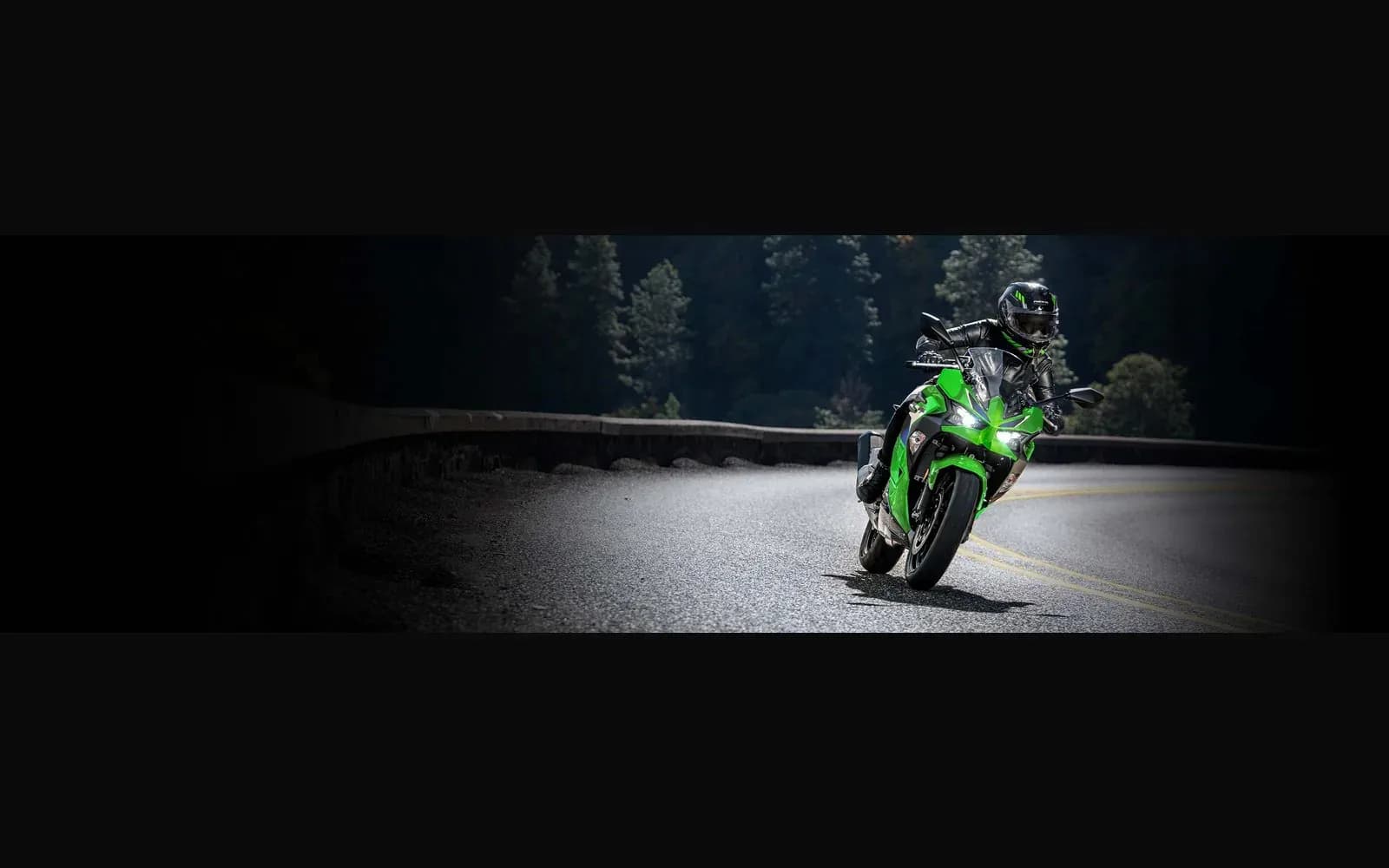
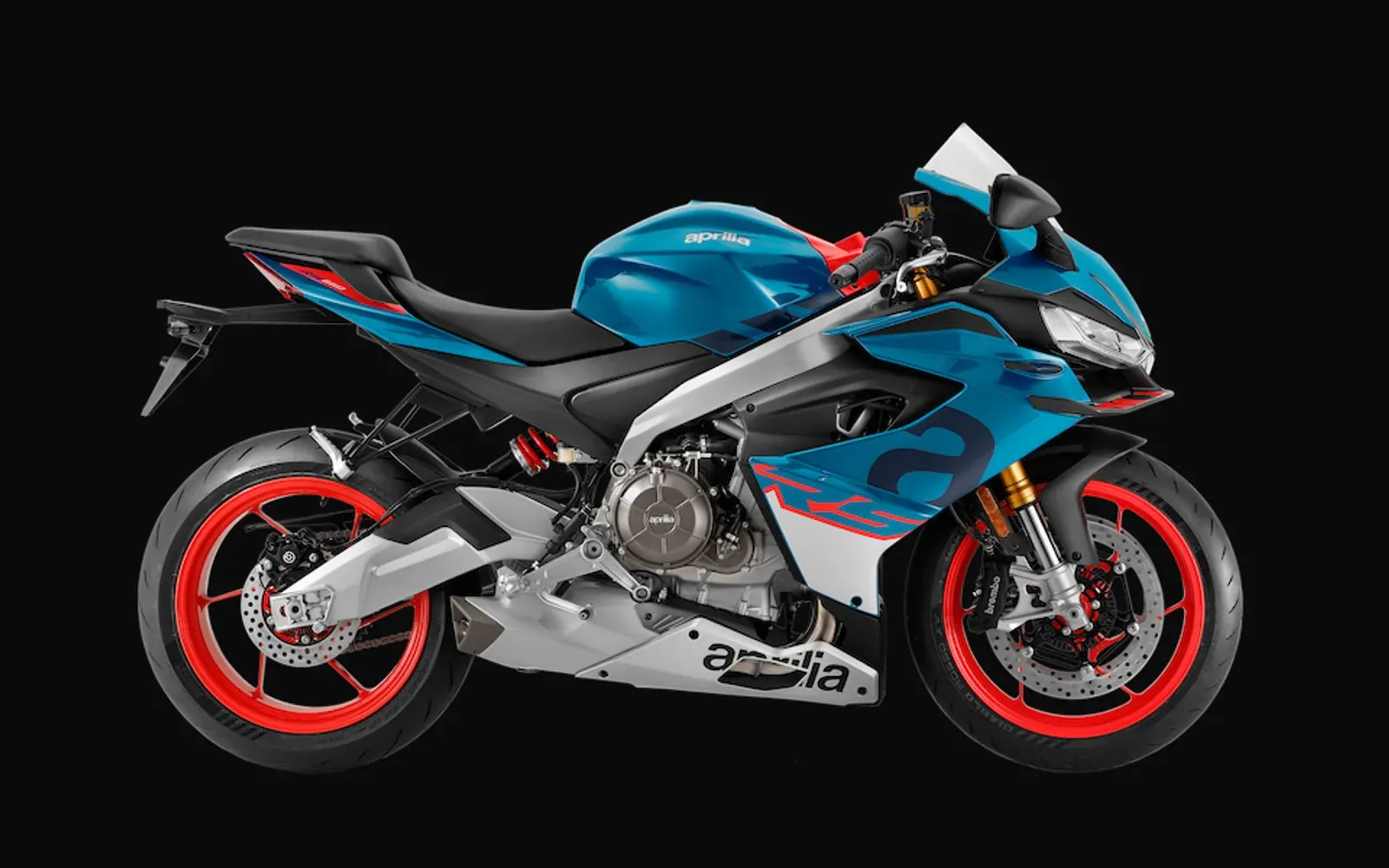
Sportbike looks without sportbike intimidation. A friendly parallel-twin and a comfier riding position than the styling suggests.
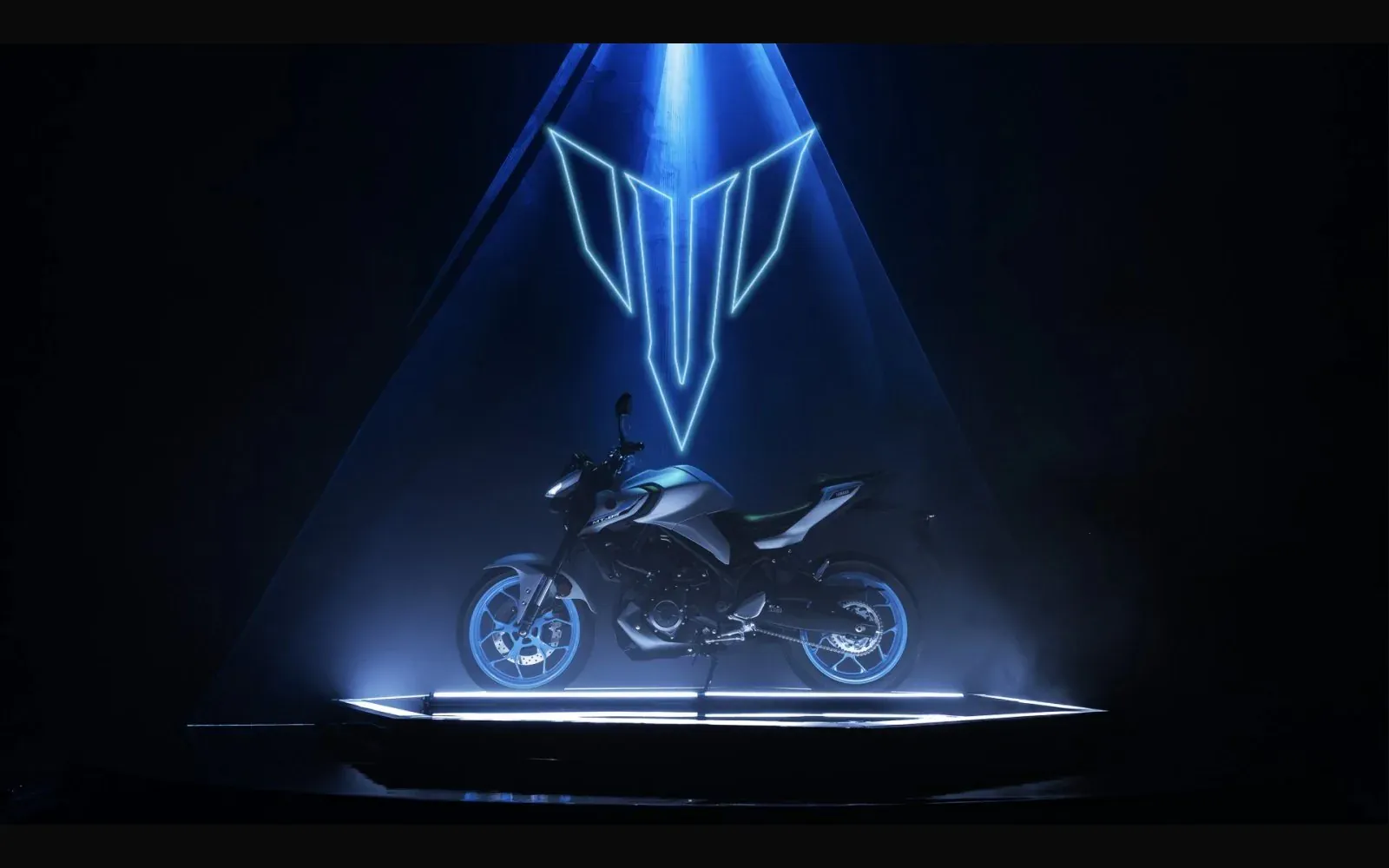
A light, flickable roadster with genuine character, ideal for learning city traffic and twisty back roads alike.
There is a particular kind of nervousness that comes the first time you swing a leg over a motorcycle that is actually yours. Your heart is somewhere up near your collarbones, the clutch lever feels like it controls a small detonation, and every part of you is quietly convinced the machine is about to do something you did not ask it to. Here is the secret no one tells you in the showroom: that feeling fades faster than you think, and the right first bike fades it faster still. A good beginner motorcycle does not just tolerate your mistakes, it gently absorbs them, hands the controls back, and lets you try again. By your third week, the clutch is muscle memory and the only thing on your mind is where to ride next.
The good news is that 2026 is a genuinely brilliant year to start. Manufacturers have stopped treating the beginner segment as an afterthought, and the result is a class of small-and-mid-displacement machines that are light, honest, beautifully built, and, crucially, fun enough that you will not be itching to trade up by August. Below are our three favorites, each a different flavor of the same promise: easy to learn on, hard to outgrow.
If a committee of riding instructors designed a first motorcycle, it would look a lot like the CB300R. Everything about it is calibrated to make a new rider feel capable. At roughly 144 kg ready to ride, it is one of the lightest real motorcycles you can buy, and that single number does more for your confidence than any spec sheet can convey. A light bike is a forgiving bike: it tips into corners with a thought, it does not fight you in a parking lot, and on the day you misjudge a slow U-turn and have to dab a foot down, 144 kg is something you can actually catch.
The 286cc liquid-cooled single makes about 31 hp at 9,000 rpm and 27.5 Nm of torque, modest on paper, perfectly judged in reality. There is enough punch to hold your own in city traffic and merge onto a highway without drama, but the power arrives in a smooth, linear, entirely predictable way. You will not accidentally loop it or get spat off the back. The 799 mm seat is on the taller side of this group, though the bike is so narrow most riders flat-foot or near-enough.
What surprises people is how good the hardware is for the money: a proper 41mm upside-down fork, a radial-mount front brake caliper, and ABS as standard, kit you would normally find on bikes costing twice as much. It is also A2 licence-friendly, so newer riders in Europe and the UK can ride it on a restricted licence without modification.
The CB300R does not flatter you with numbers; it flatters you by making everything feel easy. That is exactly what a first bike should do.
The catch: that featherweight chassis can feel a touch busy on the motorway at sustained 130 km/h, and the firm-ish suspension transmits more of a rough road than a plush tourer would. Neither is a real problem for the riding a beginner actually does. From ~$4,899.
| Spec | Honda CB300R |
|---|---|
| Engine | 286cc liquid-cooled single, DOHC |
| Power / Torque | ~31 hp @ 9,000 rpm / 27.5 Nm @ 7,750 rpm |
| Kerb weight | ~144 kg |
| Seat height | 799 mm |
| Notable | 41mm USD fork, radial front caliper, ABS, A2-friendly |
Plenty of new riders want the look, the fairings, the swept lines, the sense that the bike is leaning forward even at a standstill, but are rightly wary of the focused, wrist-heavy, peaky sportbikes that look the part. The Ninja 500 is the answer to exactly that wish. It wears full-fairing sportbike styling, then quietly hides a friendly, beginner-shaped motorcycle underneath.
Built on Kawasaki's new-for-2024 451cc parallel-twin platform, it makes around 45 hp at 9,000 rpm and a healthy 42.6 Nm of torque at just 6,000 rpm. That early-arriving torque is the whole story: the engine pulls cleanly from low revs, so you spend less time hunting for the right gear and more time simply riding. It is the most outright capable bike in this trio, with real reserves for highway cruising and weekend rides two-up, yet the power never feels intimidating.
Two details make it especially beginner-kind. The riding position is far more upright and relaxed than the aggressive bodywork suggests, your wrists will thank you on a long day. And the assist & slipper clutch does two lovely things: it lightens the lever so your left hand does not cramp in traffic, and it stops the rear wheel chattering or hopping if you clumsily dump a downshift while still learning to blip. The 785 mm seat is manageable, ABS is available, and like the others it is A2-compatible.
The catch: at ~171 kg it is the heaviest here, still very manageable, but you will feel the extra mass at walking pace until your low-speed skills mature. And the full fairing, while gorgeous, makes minor tip-over repairs pricier than on a naked bike. From ~$5,299.
| Spec | Kawasaki Ninja 500 |
|---|---|
| Engine | 451cc parallel-twin (2024 platform) |
| Power / Torque | ~45 hp @ 9,000 rpm / 42.6 Nm @ 6,000 rpm |
| Kerb weight | ~171 kg |
| Seat height | 785 mm |
| Notable | Assist & slipper clutch, ABS available, A2-compatible |
The MT-03 is the extrovert of the group. Stripped of fairings, all angry headlight and exposed engine, it looks like a much bigger, much angrier motorcycle that shrank in the wash, and that attitude is matched by a genuinely characterful engine. The 321cc parallel-twin loves to rev, spinning out around 42 hp at a lofty 10,750 rpm with 29.5 Nm of torque. Where the Honda is calm and the Kawasaki is muscular, the Yamaha is eager, it rewards you for working the gearbox and chasing the revs, a wonderful way to learn the rhythm of a motorcycle.
At roughly 168 kg with a low 780 mm seat, it flat-foots easily for most riders and flicks through city traffic with confidence-building agility. A 37mm upside-down fork keeps the front end composed, and the naked layout means superb visibility, an easy reach to the bars, and cheap, simple repairs if you drop it learning.
The catch: because the power lives high in the rev range, you have to be more willing to use the gearbox than on the torquier Ninja, and the small twin runs out of breath at sustained high-speed cruising. For learning craft on back roads and in town, though, that revvy character is a feature, not a flaw. From ~$4,999.
| Spec | Yamaha MT-03 |
|---|---|
| Engine | 321cc parallel-twin |
| Power / Torque | ~42 hp @ 10,750 rpm / 29.5 Nm @ 9,000 rpm |
| Kerb weight | ~168 kg |
| Seat height | 780 mm |
| Notable | 37mm USD fork, light & flickable naked roadster |
The three bikes above are not the only good answers, so it helps to understand why they work. When friends ask me to vet a first bike, I run down the same short list every time.
Weight you can manhandle. Aim for a kerb weight under ~190 kg. The scary moments, slow U-turns, paddling backward out of a parking spot, putting a foot down on gravel, all happen at zero mph, where every kilogram counts. A light bike forgives a beginner's clumsy low-speed inputs; a heavy one punishes them.
Predictable, mid-displacement power. A 300-500cc single or twin is the sweet spot: enough to keep you safe, accelerating out of trouble, merging confidently, without the violent, on-or-off throttle response that makes a litre-class sportbike a dangerous place to learn.
A seat height that lets you flat-foot. Planting both feet (or close to it) at a stop is one of the biggest confidence multipliers there is. Roughly 780-800 mm suits a wide range of riders; if you are shorter, a lowering link can close the gap. Test it in person, narrowness matters as much as the raw number.
ABS, non-negotiable. Anti-lock braking is the single most important safety feature on a beginner bike. New riders panic-grab the front brake; ABS is what stops that reflex from washing out the front wheel and putting you on the ground. Choosing between two otherwise identical bikes? Buy the one with ABS, every time.
New or used? There is a strong, honest case for buying used for your first bike. You will drop it, almost everyone does, usually at 2 mph in a parking lot, and dropping a bike that already has a scuff or two stings far less than dinging a pristine new machine. A two- or three-year-old example of any bike here can be wonderful value, and these models are reliable enough that an older one still has years of life in it. That said, buying new buys you a warranty, a known history, and peace of mind, and the prices above are reasonable for what you get. Either path is defensible; just have a used bike inspected, and check for the tell-tale signs of a spill (scuffed bar ends, bent levers, cracked fairing tabs).
A motorcycle is only half of the purchase. The other half is the stuff that keeps you intact, and it is not optional.
Live by ATGATT, All The Gear, All The Time. A proper full-face helmet, an armored jacket, gloves, over-the-ankle boots, and ideally armored trousers, on every single ride, even the two-minute trip to the shop. Most crashes happen close to home on familiar roads; the gear you skipped because you were "only going around the corner" is the gear you will wish you had worn. Good kit transforms a low-speed slide from a hospital visit into an embarrassing story.
Before anything else, take a rider training course, the MSF Basic RiderCourse in the US, CBT and your full test in the UK, or the equivalent in your region. A weekend with a qualified instructor teaches you more, more safely, than a month of solo trial and error, often comes with a licence-test waiver, and frequently earns an insurance discount. All three bikes here are A2-compatible, which makes them ideal for riders working through a tiered or restricted licence rather than something traded away the moment you graduate.
That last point is the one to leave you with. The fear that drives a lot of beginners is that a "starter bike" is a throwaway, something to suffer for a season and dump. It is not. A CB300R, a Ninja 500, or an MT-03 chosen well will still be putting a grin on your face years from now, long after the clutch became muscle memory and the nervousness became nostalgia. Pick the one that makes you want to ride, gear up properly, get trained, and go. The right first motorcycle does not just teach you to ride, it keeps you riding for life.