Guide
Summer Motorcycle Prep: Riding Cool, Safe, and Far
5 min read
Everything you need for your first motorcycle track day: what it costs, what gear is required, how to prep your bike, and how to survive (and love) your first sessions.
Watch a World Superbike race or an Isle of Man TT onboard lap and a thought eventually creeps in: I want to know what that feels like. The good news is that you can, legally and far more safely than chasing it on the road. A track day is the single best thing most riders ever do for their skills, and it is far less intimidating, and less expensive, than it looks from the outside.
This guide covers everything a first-timer needs: what a track day actually is, what it costs, what gear and bike prep are required, and how to handle the day itself.
A track day is not a race. There are no lap times that matter, no trophies, no prize money, and at most events, timing devices are outright banned in beginner groups. It is open circuit time, organised into groups by experience level, where you ride at your own pace with no oncoming traffic, no junctions, no gravel in the apex, and an ambulance already on site.
Almost every organiser splits the day into three groups: beginner, intermediate, and fast. Each group typically gets a 20-minute session every hour, which sounds short until you try it. Six to seven sessions of full-concentration riding will leave you happily wrecked by late afternoon.
The beginner group is genuinely for beginners. Expect a mandatory briefing, instructors riding among the group, overtaking restrictions (often only on the straights, with plenty of space), and marshals watching every corner.
A typical European track day runs somewhere between 150 and 350 euros depending on the circuit and the organiser, with famous Grand Prix tracks at the top of that range. On top of that, budget for:
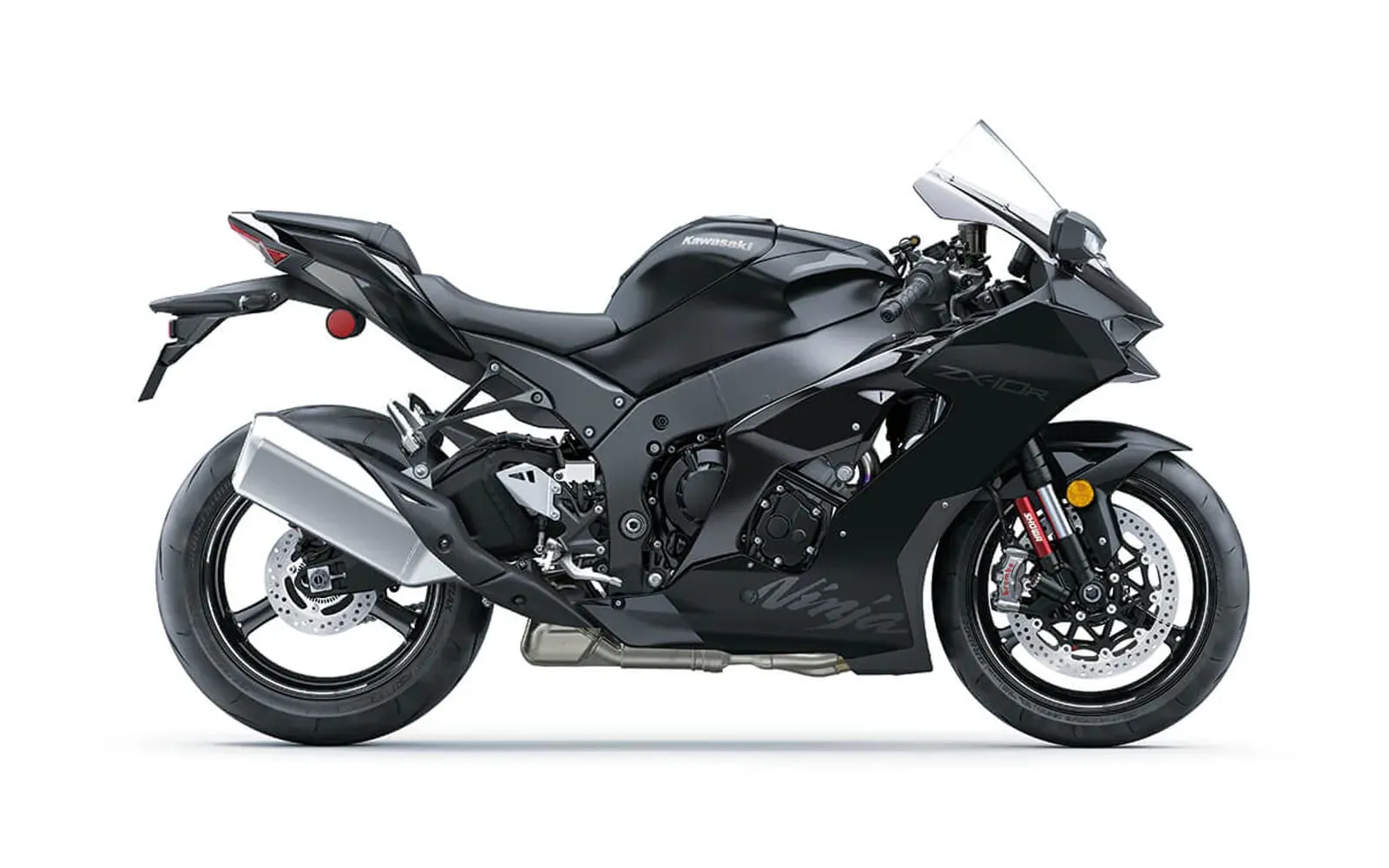
You do not need a dedicated track bike. The bike you already own, in good mechanical condition, is the right bike for your first track day. A 70 hp naked ridden well is faster and more educational than a 200 hp superbike ridden scared.
Most organisers enforce a minimum gear standard, and it is stricter than road riding:
Check the rules of your specific organiser before booking. If you do not own leathers, many circuits and organisers rent suits for a reasonable daily rate, which is the smart way to try a first day before investing.
Track day scrutineering (the technical check before riding) is usually simple, and the requirements are things your bike should pass anyway:
That is it. Race fairings, rearsets, and slick tyres are for later, if ever.
The first session of the day is run behind an instructor at a controlled pace to learn the track. After that, the honest advice that every fast rider gives a beginner is the same:
And eat, drink water, and rest between sessions. Track riding is physical work, and dehydration shows up as missed apexes long before you feel thirsty.
| Item | Status before you leave home |
|---|---|
| Booking confirmation and licence | Packed |
| Helmet, leathers, gloves, boots, back protector | Packed and undamaged |
| Tyre pressures | Checked, set for track |
| Brakes, chain, leaks, bolts | Checked |
| Tape for lights and mirrors | Packed |
| Fuel | Full tank plus spare |
| Water and food | More than you think you need |
| Earplugs | Packed |
Everything that makes riding safe on the road, vision, braking control, smooth inputs, knowing what your bike does at the edge of grip, is exactly what a track day trains, in an environment where a mistake means a trip through a gravel trap instead of oncoming traffic. Most riders come back from their first track day calmer on the road, not wilder.
Book the beginner group, prep the bike you already have, and go. You will spend the drive home planning the next one.