News
2027 KTM 450 Rally Replica: 100 Chances to Own a Dakar Bike
5 min read
KTM came within weeks of collapse. Now, majority-owned by Bajaj and renamed at the holding level, it is building bikes again. Here is what actually happened, and what it means if you ride orange.
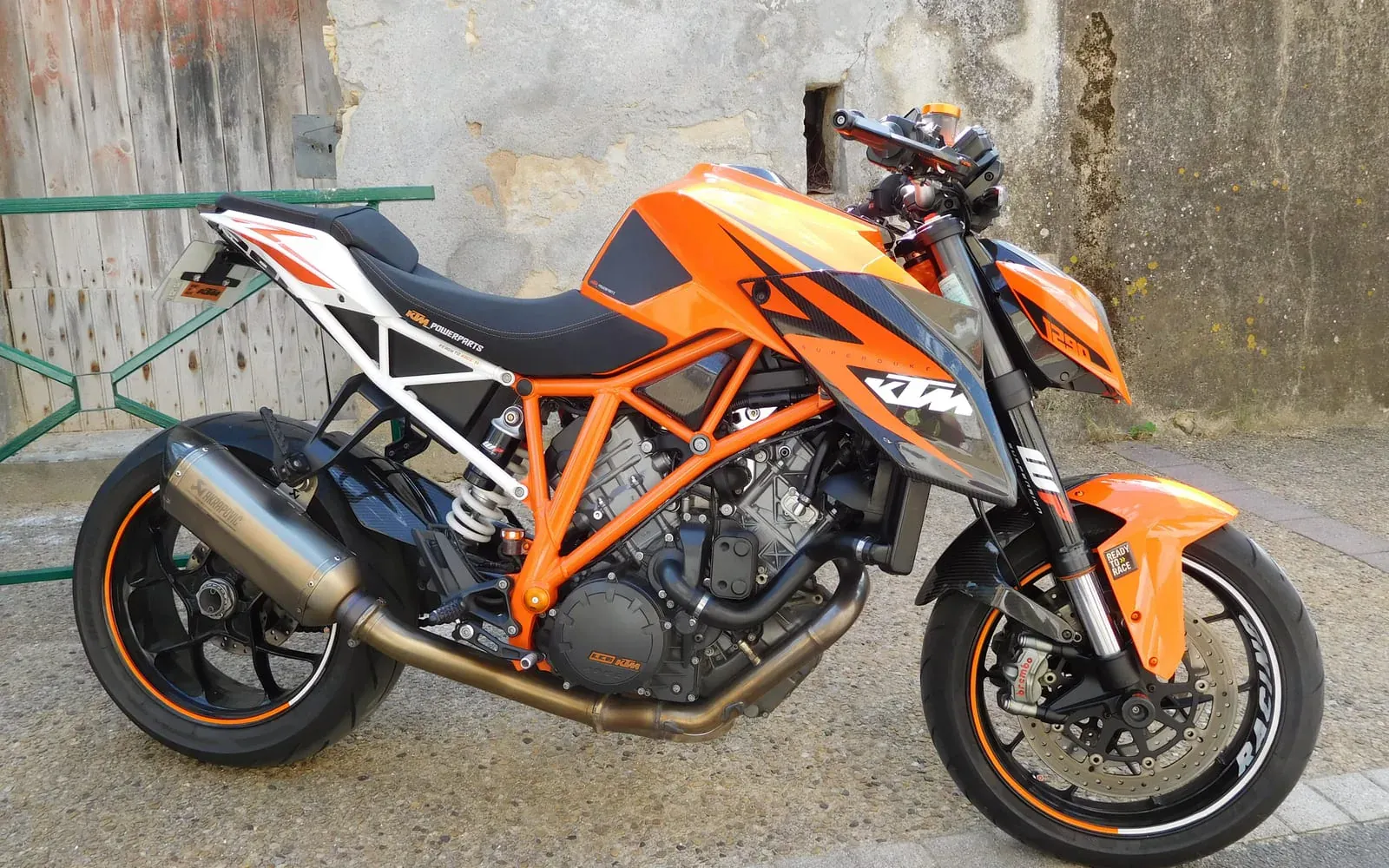
For most of a generation, KTM sold itself on momentum. Ready to Race was not just a tagline, it was a business plan: more models, more racing, more riders, every single year. Then, at the end of 2024, the momentum ran out all at once. The company that had grown into Europe's largest motorcycle manufacturer suddenly could not pay for the parts to build its own bikes. If you own a KTM, or you have been eyeing one, the last eighteen months have been unsettling to watch. So here is the honest version of what happened, and why the orange bikes are still being built.
KTM's problem was not that people stopped wanting its motorcycles. It was that the company had built far more of them than the market could absorb, and had borrowed heavily to do it. By late 2024 the group was carrying debts north of two billion euros, with dealer lots and warehouses stacked with unsold inventory. Production was halted. Financial reports were delayed. Staff were cut. For a business whose whole identity was forward motion, standing still was close to fatal.
In early 2025 the situation reached the Austrian courts. A self-administered restructuring was opened, and creditors were asked to accept a hard bargain: roughly 30 cents on every euro they were owed, with the balance written off. In February 2025 they voted to approve it, setting a deadline of late May to find around 600 million euros to make good on that promise. It was, in plain terms, a company trying to buy its own survival against the clock.
The rescue did not come out of nowhere. India's Bajaj Auto had been a KTM shareholder and manufacturing partner for well over a decade, building smaller-capacity KTM and Husqvarna models and selling them across Asia. When the crisis hit, Bajaj moved from partner to saviour.
The support came in stages. A bridge loan of around 50 million euros in March 2025 got the production lines moving again. Then, as the May deadline loomed, Bajaj committed the serious money, arranging a financing package (reported at over half a billion euros, backed by a syndicate including JPMorgan, Citigroup and Singapore's DBS) to meet the payment to creditors. By clearing that hurdle, KTM avoided bankruptcy and Bajaj moved into clear control.
The symbolism was sealed at the top. Stefan Pierer, the industrialist who had been the face of KTM for decades, stepped back from both his operational and shareholder roles. And on 13 January 2026, the listed holding company formerly known as PIERER Mobility AG was officially re-registered as Bajaj Mobility AG. The name over the door had changed.
Survival is one thing. A future is another. The KTM rebuilt through 2025 is a deliberately smaller, more disciplined company than the one that nearly failed.
The clearest sign is the inventory. KTM ended 2024 with roughly 248,000 motorcycles clogging the pipeline. By the end of 2025 that had been cut to about 147,000, more than a hundred thousand bikes shifted off the books in a single year. Production restarted at the Mattighofen headquarters in Austria in the summer of 2025 on a leaner footing, prioritising selling what already existed over flooding dealers with new stock. Revenue fell sharply, by nearly half year on year, but that was the point: this was a controlled shrink, not a collapse.
The old KTM tried to win by making more. The new one has to win by making the right amount, and making it pay.
For owners and prospective buyers, the practical questions matter more than the boardroom drama. Here is where things stand.
There is a quiet irony in the outcome. KTM spent years as the aggressive European upstart, expanding into segments and markets at a pace its rivals could not match. It took an Indian partner it had once used to build its entry-level bikes to keep the whole thing alive. The centre of gravity in the global motorcycle industry has shifted, and the KTM rescue is one of the clearest illustrations of it.
For riders, the takeaway is reassuring, if sobering. The orange bikes are not going anywhere. The company behind them has been through the fire and come out smaller, quieter and, for now, solvent. Ready to Race nearly became a cautionary tale about growing too fast. Instead, under Bajaj, it gets another lap.