News
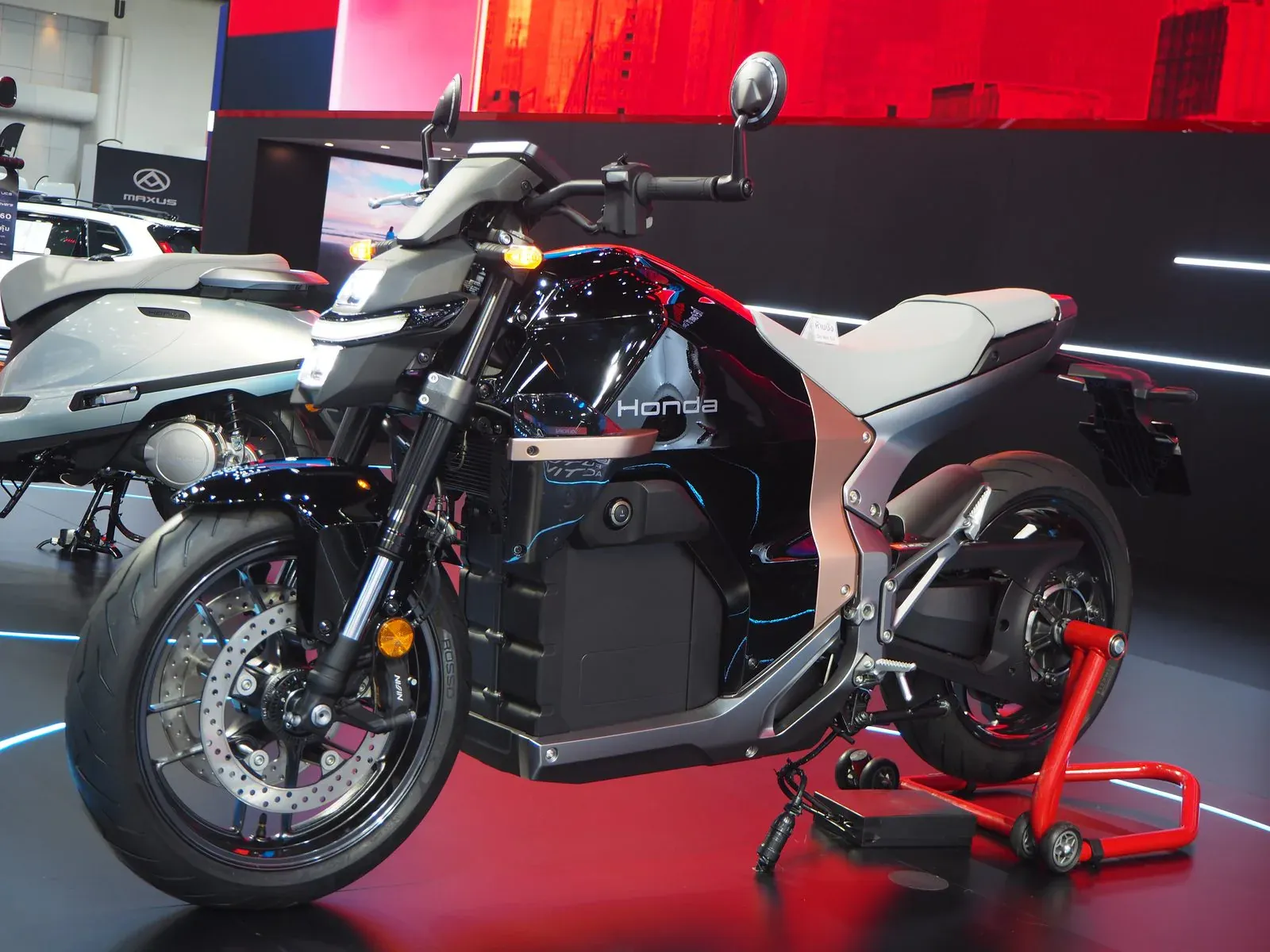
Honda WN7: The First Electric Honda That Feels Like a Real Motorcycle
6 min read
After nearly four decades away, Can-Am returns to motorcycling with the electric Pulse roadster and Origin dual-sport. In 2026 a big price cut finally makes them make sense. Specs, range and what it means.
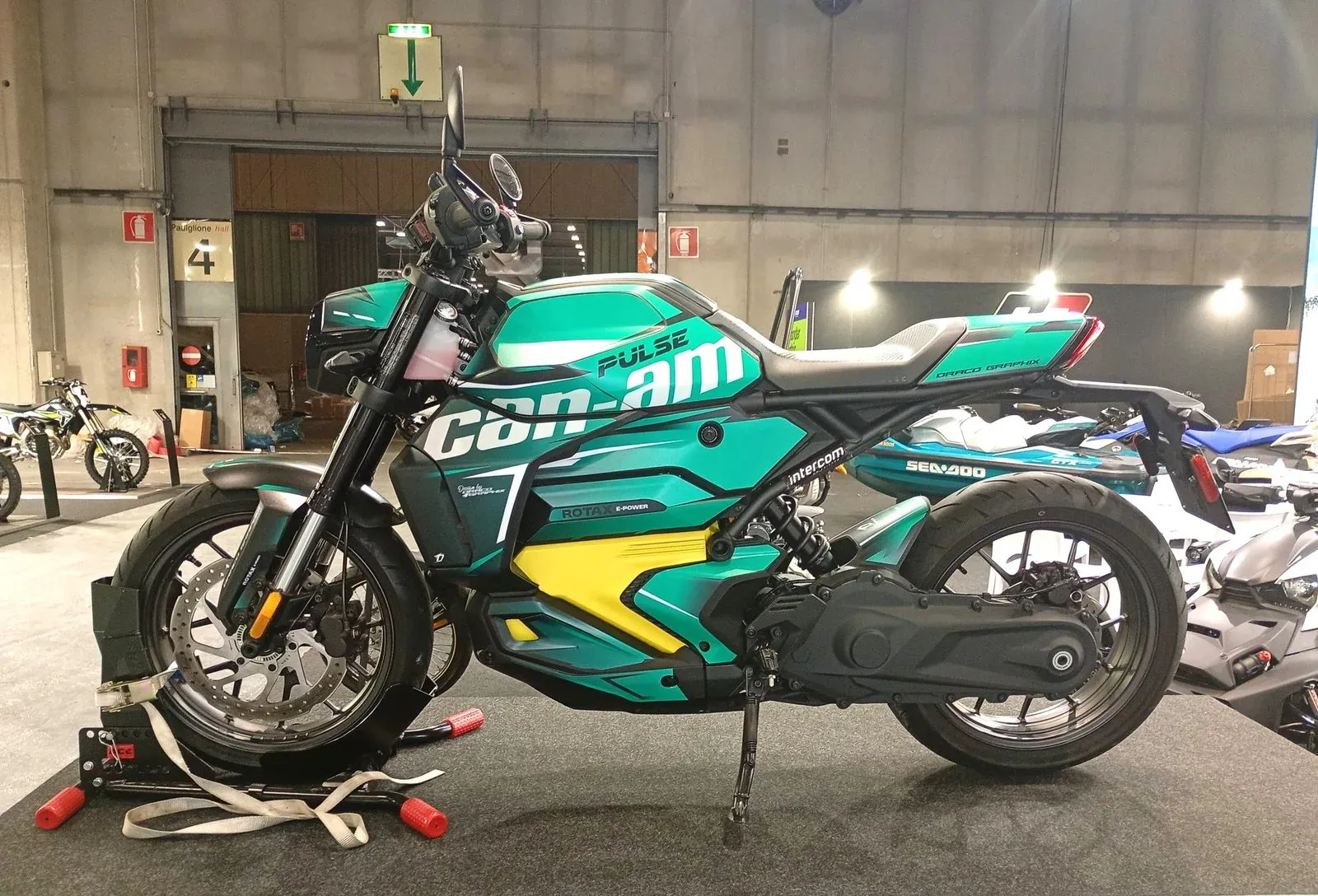
There is a particular thrill in watching a name come home. For a generation of off-road racers, Can-Am meant something specific: raw, Rotax-powered dirt bikes that punched far above their weight in motocross and the ISDT during the 1970s and early 1980s. Then the badge left two wheels behind and spent the next thirty-odd years conquering everything else, quads, side-by-sides, the three-wheeled Spyder, jet skis, snowmobiles. Now, after a hiatus of roughly 37 years, Can-Am has come back to the motorcycle. And true to the moment, it has come back electric.
Can-Am's parent, the Canadian giant BRP, did not tiptoe back in. It launched two machines at once, aimed at two different riders, sharing one powertrain philosophy.
The Pulse is the naked street bike: light, upright, and built for the city and the commute, the kind of machine you throw a leg over for the daily grind and the evening blast. The Origin is the dual-sport, a taller, longer-travel adventure-lite machine designed to leave the tarmac behind and explore the sort of gravel and forest track that a commuter never sees. Same heart, two very different personalities.
That heart is an 11 kW motor fed by an 8.9 kWh liquid-cooled battery, good for a claimed 47 hp and around 72 Nm of torque. Top speed for both is near 130 km/h. These are not superbike numbers, and they are not supposed to be. They are the numbers of a genuinely useful electric motorcycle: quick enough to be fun, torquey enough to feel effortless from a standstill, and calm enough to trust in traffic.
Range is where an electric bike lives or dies, and here the two models diverge with their missions. The Pulse claims up to around 160 km of city riding, settling closer to 130 km in mixed WMTC conditions. The Origin, with its knobbier tyres and taller gearing, sits in a similar bracket. For a commuter-plus-weekend machine, that is a real day's worth of riding between charges.
Charging is handled by a liquid-cooled battery and an onboard charger that BRP designed to be robust in a wide range of conditions, not just a gentle garage. A Level 2 charger takes both bikes from 20 to 80 percent in about 50 minutes, so a lunch stop is a meaningful top-up rather than a compromise. It is a sensible, unglamorous system, and that is exactly the point.
Can-Am first showed these bikes a couple of years ago, and the reaction then was warm but wary. The problem was money. At launch the Pulse and Origin carried prices that put them well above the psychological line most riders draw for a bike with this range.
That is what changed, and it is why they belong in a 2026 news feature. BRP has repositioned both machines with a substantial price cut: the Pulse now starts at 10,999 dollars and the Origin at 11,499 dollars, thousands less than their original stickers. That single move drags them out of the "interesting but too expensive" file and into genuine consideration against petrol commuters and small dual-sports. Price was the thing standing between these bikes and real sales. Can-Am blinked first, and the segment is better for it.
The return of Can-Am matters for a reason bigger than any one spec. When a manufacturer with BRP's engineering depth and dealer network commits to electric motorcycles, and then prices them to actually move, it signals that the electric two-wheeler is graduating from novelty to normal. The same week's arrival of Honda's first electric motorcycle, the WN7, tells the same story from the opposite direction: the giants are here, and they are competing.
For a buyer in 2026, the Can-Am pair answers two very different questions with one battery. If your riding is urban and daily, the Pulse is a light, torquey, low-cost-to-run city tool. If your idea of freedom involves a forest road and no particular destination, the Origin turns silent running into an off-road advantage, no gears to manage, instant drive when you need to loft the front over a root. Neither will tour across a country. Both will transform how you get through a week.
| Spec | Can-Am Pulse | Can-Am Origin |
|---|---|---|
| Type | Naked street | Dual-sport |
| Motor | 11 kW electric | 11 kW electric |
| Battery | 8.9 kWh, liquid-cooled | 8.9 kWh, liquid-cooled |
| Power | Around 47 hp | Around 47 hp |
| Torque | Around 72 Nm | Around 72 Nm |
| Top speed | Around 130 km/h | Around 130 km/h |
| City range | Up to around 160 km | Similar bracket |
| Charging | 20-80% in about 50 min (Level 2) | 20-80% in about 50 min (Level 2) |
| Price from | 10,999 dollars | 11,499 dollars |
Comebacks are easy to announce and hard to justify. Can-Am's is justified because the company did the unglamorous work: it built two honest, well-resolved electric motorcycles, then, when the market told it the price was wrong, it fixed the price. The Pulse and Origin will not be for everyone. But they are proof that a legendary name has returned to two wheels with something real to say, and in 2026, at these numbers, plenty of riders will finally be listening.