Guide
Spring Motorcycle Prep: Waking Your Bike After Winter
5 min read
Putting your bike away for winter? This step-by-step guide to winterizing a motorcycle covers fuel, battery, tyres, and storage so it starts first time in spring.
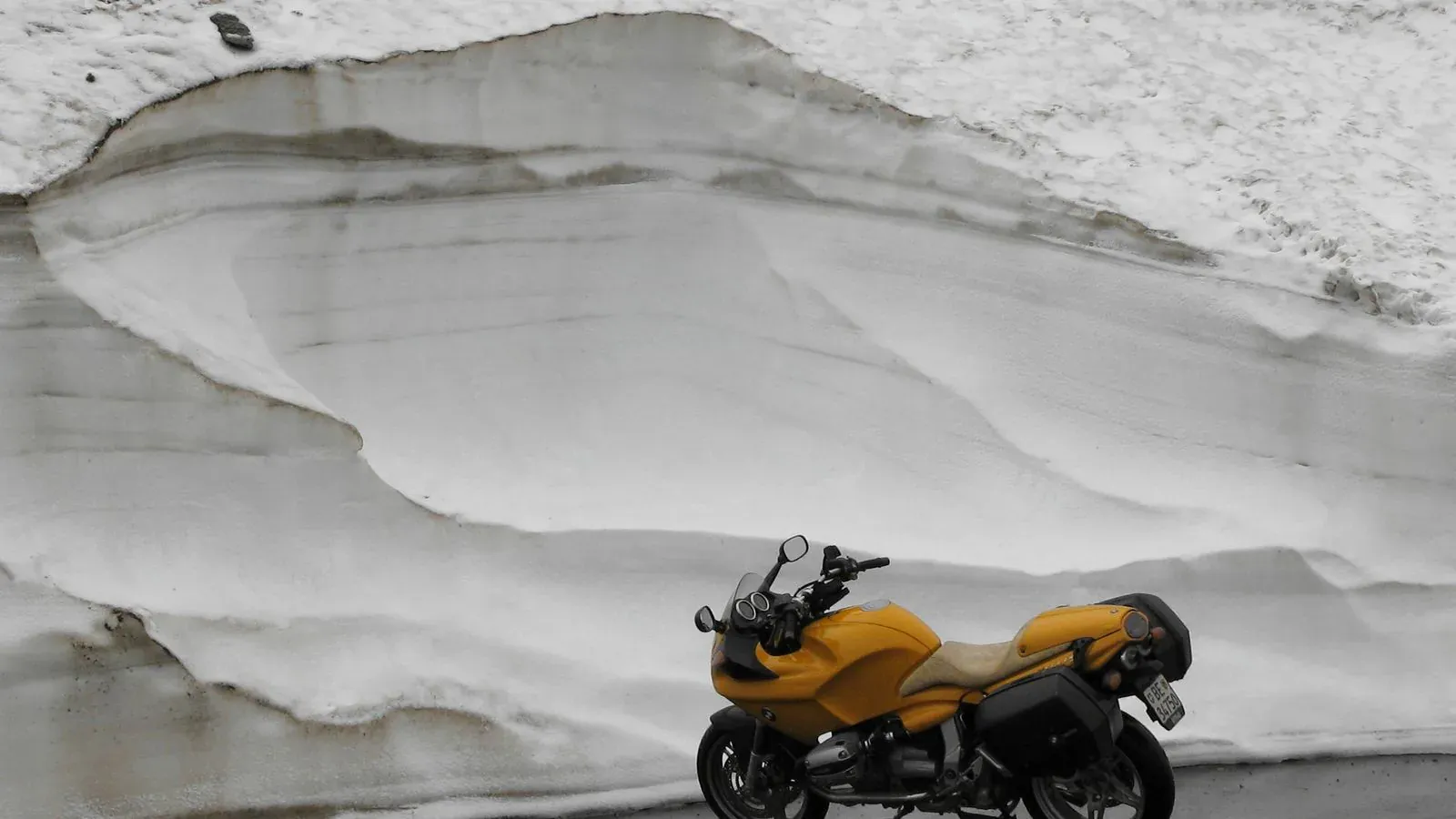
There is a particular kind of heartbreak reserved for the first warm Saturday of spring. The sun is out, the roads are dry, the whole season is waiting, and your motorcycle will not start. The battery is dead, the carburettor or injectors are gummed, the tyres have flat-spotted, and a fine bloom of corrosion has settled over everything that used to be shiny. None of it was bad luck. It was the bill for an autumn spent ignoring the bike.
Winterizing is the small effort you make now so that future version of you, standing in the spring sunshine, simply turns the key and rides. It takes an afternoon. Done properly, it is the difference between a machine that hibernates and one that quietly rots in the dark. Here is how to put a motorcycle away so it comes back exactly as you left it.
It feels backwards to wash a bike you are about to hide for months, but dirt is not just ugly. Road grime, dead insects, and especially winter road salt hold moisture against metal, and moisture is what turns paint and chrome to rust. Give the bike a thorough wash and, crucially, dry it completely. Take it for one last short ride if you can, because a warm engine and spinning wheels shed water that a towel never reaches.
Once it is dry, a wipe of corrosion inhibitor or a light spray of protectant on bare metal, fasteners, and the exposed parts of the engine pays off all winter. A little wax on the paint and a coat of chain lube on the chain finish the job. You are essentially sealing the bike against the damp before it goes to sleep.
Fuel is where most winter damage hides, and it works two ways. Modern petrol, especially blends with ethanol, starts to degrade in as little as a month. It oxidises into a varnish that clogs jets and injectors, and ethanol attracts water, which sinks to the bottom of the tank and corrodes it from the inside.
The fix is simple. Fill the tank almost to the top, which leaves little air space for condensation to form, then add a fuel stabiliser and ride for a few minutes so the treated fuel reaches the whole system. A full, stabilised tank is the single most effective thing you can do for a stored bike. Skip it, and spring often begins with a flushed fuel system and a sheepish trip to the mechanic.
A motorcycle battery left through a cold winter is a battery you are usually replacing in spring. Cold saps its charge, and a bike's standby electronics keep drawing a trickle even when switched off, so it slowly flatlines. Once a lead-acid battery sits deeply discharged for weeks, it is often permanently damaged.
You have two good options. Either remove the battery, store it somewhere cool and dry indoors, and top it up every month or so, or, far easier, leave it on the bike connected to a smart trickle charger. A tender monitors the battery and feeds it only what it needs, keeping it at full health for as long as you like. It is the cheapest insurance in this entire guide.
Tyres develop flat spots when a bike sits in one position on cold ground for months, and the rubber ages faster against a freezing concrete floor. If you have a paddock stand or both wheels off the ground, use it. If not, over-inflate the tyres slightly to the maximum on the sidewall, put a board between rubber and floor, and roll the bike a little every few weeks to change the contact patch.
Change the oil before storage, not after. Used oil carries acidic combustion by-products that, left sitting in the engine all winter, attack bearings and internals. Fresh oil leaves the engine protected. Finally, stuff a clean rag or a designed exhaust plug into the tailpipe to keep mice and moisture out, and a note on your bars to remove it before you start the engine in spring.
| Task | Why it matters |
|---|---|
| Wash and fully dry | Salt and damp cause rust |
| Apply protectant / wax | Seals metal and paint |
| Fill tank + fuel stabiliser | Stops varnish and condensation |
| Fresh oil and filter | Old oil is acidic in storage |
| Battery on a tender | Prevents a dead battery by spring |
| Tyres up / off the ground | Avoids flat spots |
| Block exhaust intake | Keeps mice and moisture out |
| Cover with breathable cover | Dust off, airflow on |
The ideal home for a winter bike is dry, cool, and stable in temperature: a garage or a shed beats the open air every time. Avoid heated rooms with big swings between warm days and cold nights, because that cycle drives condensation, the very thing you are fighting. If the bike must live outside, a quality breathable cover is essential. Do not reach for a cheap plastic tarp, which traps moisture underneath and does more harm than the weather it blocks.
A breathable cover lets the bike exhale while keeping dust, leaves, and grit off the paint. Tuck it properly so wind cannot lift it and chafe the tank.
A motorcycle does not mind resting. It minds resting wet, flat, and full of stale fuel.
That is the work done. Through the winter, the only ongoing job is the battery, and a tender handles that for you. When the roads clear and the salt is gone, our spring prep guide walks you through waking the bike properly, because starting it well matters as much as storing it well. For the year-round fundamentals behind all of this, our complete maintenance guide is the place to start.
Do this once and the lesson sticks, because the reward is immediate. While other riders are jump-starting flat batteries and draining fouled tanks, you will be the one who turns the key, hears it catch on the first crank, and rides into the first good day of the year exactly as it should be.