Guide
How to Winterize Your Motorcycle: The Complete Storage Guide
6 min read
The first ride of the year deserves a safe bike. This spring motorcycle prep guide covers the checks, fluids, and tyre and brake inspections to do before you ride.
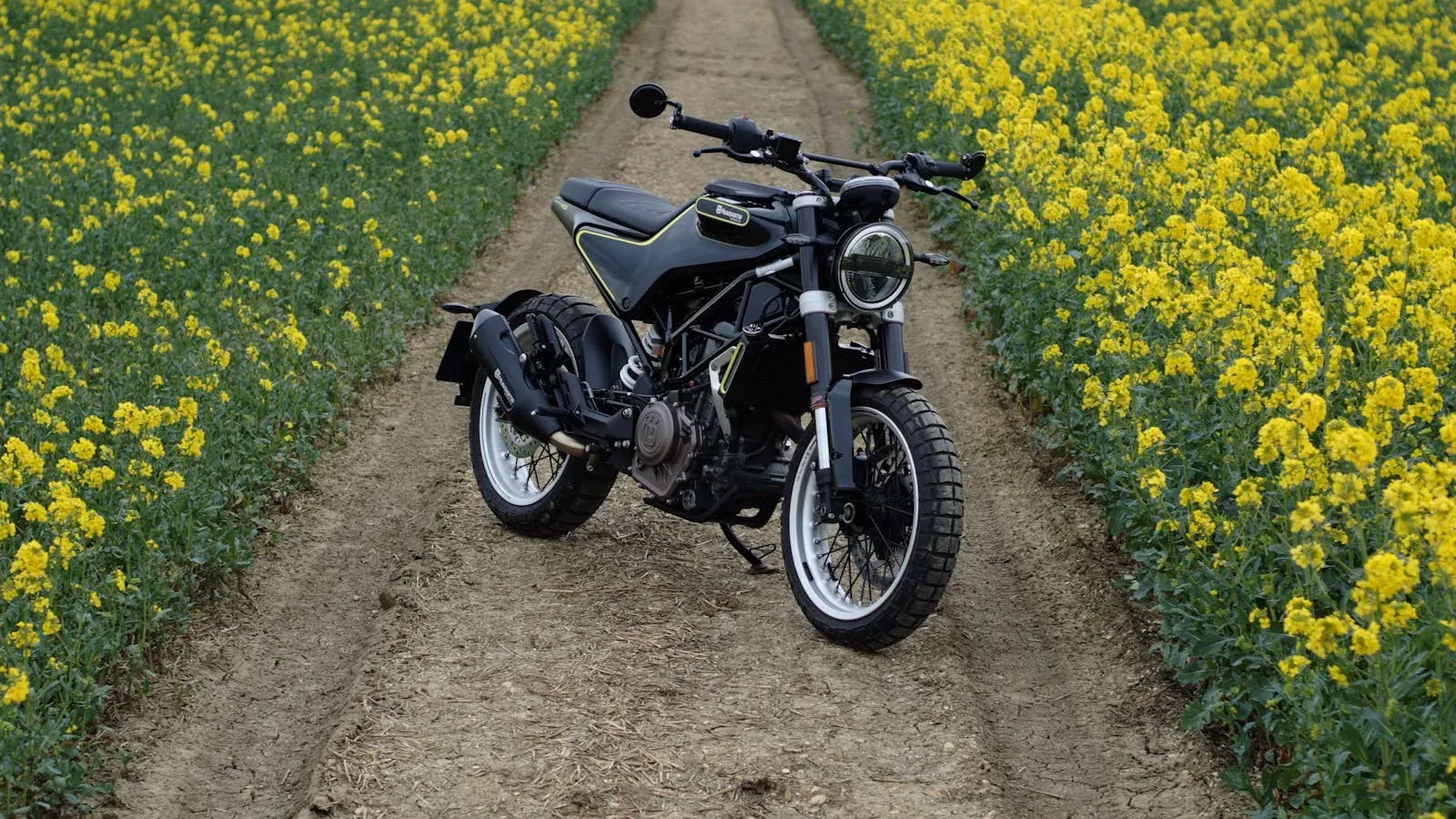
There is no sound quite like the first start of spring. After months of silence in the corner of the garage, the engine catches, settles into its idle, and the whole riding season opens up in front of you. It is tempting to thumb the starter, pull on a helmet, and simply go. Resist that, just for an hour. A motorcycle that has sat untouched all winter is not the same machine you parked, and the most dangerous ride of the year is the one you take before checking it over.
Spring prep is not about distrust of your bike. It is about respect for what stillness does to it: how rubber hardens, how fluids settle and absorb moisture, how a battery quietly fades. Walk through these checks once and you trade an hour of your time for a season of confidence. Here is how to bring a motorcycle back to life properly.
Tyres are the first thing to check and the easiest thing to get wrong. Over a winter of standing still, they lose pressure, the rubber stiffens, and the bike may have developed flat spots where it sat. Set the pressures to your manufacturer's figures with a proper gauge before anything else, because correct pressure transforms how the bike steers, grips, and stops.
Then look closely. Run your eye over the whole circumference for cracks in the sidewall, a sign that the rubber has aged or perished, and check the tread depth. Rubber has a shelf life regardless of mileage, and a tyre that looked fine in autumn can be hard and glazed by spring. Your first few miles should be gentle anyway, giving cold, stiff tyres time to warm up and find their grip.
If you left the bike on a smart charger over winter, you are most of the way there. If you did not, expect the battery to be weak or flat. Charge it fully and, ideally, have it load-tested, because a battery can show a healthy resting voltage and still collapse the moment the starter draws current.
While you are in the electrics, check that every light works: headlight on both beams, brake light on both the front and rear controls, indicators, and the horn. A winter of damp can corrode connectors, and the first cold morning is a bad time to discover a dead brake light.
Fluids are where winter does its quiet damage. Start with the oil. If you changed it before storage, as you should, simply check the level and condition; if you did not, change it now, because oil that has sat all winter carries moisture and acids that attack the engine on start-up. Old oil looks dark and dirty and smells burnt.
Brake and clutch fluid absorb water over time, lowering the boiling point and softening the lever. Check the level and colour in the reservoir; clear or light gold is healthy, dark brown means it is overdue a flush. If your bike is liquid-cooled, check the coolant level and look for any milky residue that hints at a deeper problem. Finally, look underneath for fresh leaks now that everything has been sitting and any weeping seal has had time to show itself.
If your bike runs a chain, winter likely left it dry and possibly spotted with surface rust. Clean it thoroughly, check the slack against your manual's figure, and lubricate it properly. A neglected chain is one of the most common causes of a rough, snatchy first ride of the year.
Work every control through its full range. Both brakes should feel firm, not spongy. The clutch should bite cleanly. The throttle should snap shut on its own from any position; if it sticks or feels gritty, the cables or the twist grip want attention before you ride. Cables that were fine in autumn can seize over a damp winter.
| Check | What you are looking for |
|---|---|
| Tyre pressure & condition | Correct PSI, no cracks or flat spots |
| Battery | Fully charged, holds load |
| Lights & horn | All working, both brake controls |
| Engine oil | Correct level, clean, not stale |
| Brake & clutch fluid | Level up, light in colour |
| Chain | Clean, correct slack, lubed |
| Controls & cables | Firm brakes, free throttle |
| Fasteners | Nothing loose after standing |
Your machine is ready, but you may not be. Skills get rusty over a winter off the bike just as surely as cables do. Your first ride back should be a deliberate one: a quiet route you know well, no traffic to fight, time to rebuild the muscle memory of braking, countersteering, and judging gaps. Roads in early spring carry their own hazards too, with grit and salt washed into corners, damp patches under trees, and the low sun blinding both you and the drivers around you.
So ease into it. Cover the brakes, leave bigger gaps than feel necessary, and treat the first hundred miles as a reintroduction rather than a victory lap.
Spring is not the reward for surviving winter. It is the start of the season you spend all year chasing. Begin it on a bike you can trust.
For the deeper detail behind any of these jobs, our complete maintenance guide covers the fundamentals year-round, and if your winter storage was less than perfect, our winterizing guide is worth reading before next autumn. When the warm months arrive in full, our summer prep guide covers riding through the heat. And if spring has you thinking about an upgrade, our bike finder can help you find the right machine for the season ahead.