News
2026 Ducati Hypermotard V2: The Wheelie Machine Grows Up
6 min read
Triumph reveals the all-new 2026 Trident 800, a 798cc triple naked with 113 hp and premium kit for about $9,995, squaring up to the Yamaha MT-09 and Suzuki GSX-8S.
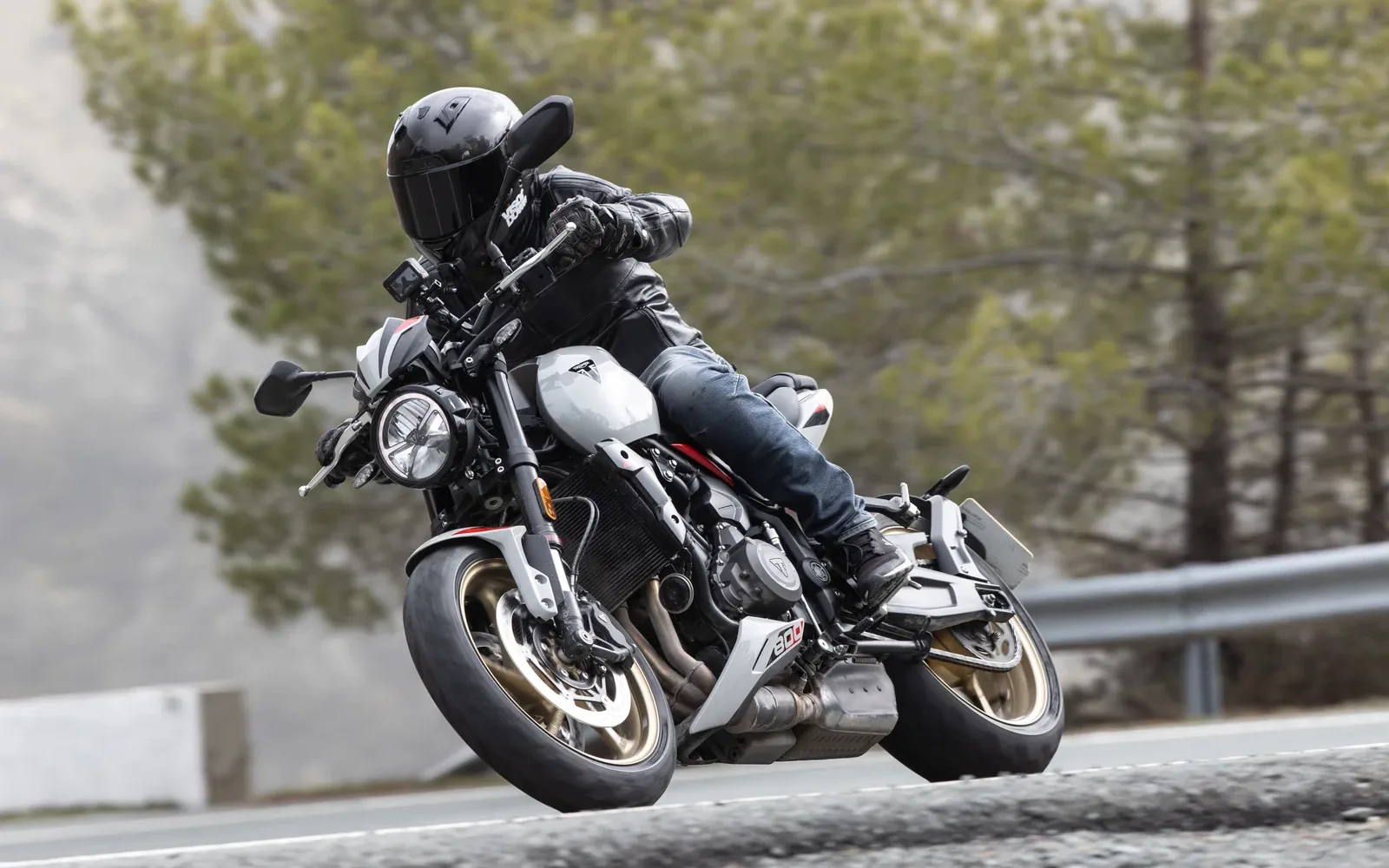
Every so often a manufacturer stops nibbling at the edges of a segment and walks straight into the middle of it. That is what Triumph has just done. The all-new 2026 Trident 800 is not a mild refresh of the friendly Trident 660, and it is not a softened Street Triple. It is a fresh middleweight naked built to plant a flag in the busiest, most fought-over corner of the market, and it arrives with a number that is going to ruin a few rivals' week: about $9,995.
That price is the story. But it is not the whole story, because for once the machine underneath earns the headline.
To understand the significance of the Trident 800, you have to remember what the Trident 660 did. When it landed, it was Triumph's answer to a simple question: could a proper British triple, with real quality and real character, be sold for the money people actually spend on a first big bike? The answer was yes, and the 660 won a lot of hearts on value. It looked and felt more expensive than it was.
It had one recurring criticism. Riders loved the engine's manners and the bike's polish, but a chorus of them wanted more midrange muscle, a bit more shove when the road opened up. The Trident 800 is Triumph's answer to that single complaint, and the company has not been shy about where it is aiming. This slots between the accessible 660 and the sharper, pricier Street Triple 765 RS, and it squares up directly to the Yamaha MT-09, the Suzuki GSX-8S, the Honda CB750 Hornet, the Kawasaki Z900 and the Aprilia Tuono 660. This is Triumph's most important volume play in years.
At the heart of the Trident 800 sits a 798cc inline triple, the same basic three-cylinder architecture that powers the Tiger Sport 800. Triumph quotes about 113 hp at 10,750 rpm and 84 Nm (61.9 lb-ft) at 8,500 rpm, fed by triple throttle bodies.
Numbers only tell you so much with a Triumph triple, because the appeal has always been in the shape of the delivery rather than the peak. This engine carries that signature character: twin-like torque low in the range, then an inline-four style rush as the revs climb, all wrapped in that distinctive triple howl that no parallel twin can fake. Against the 660, the jump in capacity and midrange is exactly the fix owners asked for. This is the bike that answers the one criticism levelled at the smaller Trident.
Be clear about where 113 hp lands, though. It puts the Trident 800 right on the MT-09's shoulder for power, but just below the very sharpest super-nakeds. That is a deliberate position, not a shortfall.
The running gear reads like a bike from a class above. Up front are 41mm Showa upside-down big-piston forks with adjustable compression and rebound, matched to a Showa monoshock with preload and rebound adjustment. Braking comes from twin 310mm front discs clamped by four-piston radial calipers on braided lines, the kind of hardware that tends to appear on pricier machinery.
The geometry is friendly rather than intimidating. Kerb weight is about 198 kg, seat height sits at roughly 810mm (31.9 in), and the tank holds 14 litres (3.7 gal). That is a naked you can flick through town and still trust when the pace picks up, with a reach to the ground that suits a broad range of riders.
Triumph has not skimped on the rider aids, which matters in a class where the tech often separates the contenders from the also-rans. The Trident 800 gets three riding modes (Road, Sport and Rain), lean-sensitive Optimised Cornering ABS and traction control, and Triumph's Shift Assist up and down quickshifter as standard. At the centre of the cockpit is a 3.5-inch round colour TFT, backed by My Triumph Bluetooth connectivity with turn-by-turn navigation.
It is a genuinely current package, the sort of lean-sensitive safety net that used to be the preserve of litre-class flagships. On a middleweight at this price, it reads as generous.
Visually, the Trident 800 keeps the clean, minimal roadster look that made the 660 so easy to like, sharpened for the bigger bike. Lighting is all-LED, fronted by a round headlight with a distinctive DRL signature that gives the bike a face you will recognise in a mirror. There is no fairing to hide behind and no styling gimmickry. It is a naked bike that looks like a naked bike, and that honesty is part of the appeal.
The middleweight naked segment is brutal, and the two bikes the Trident 800 most obviously threatens are the Yamaha MT-09 and the Suzuki GSX-8S.
Against the MT-09, Triumph is fighting on the Yamaha's own terms. The two are level on the thing that matters most to cross-shoppers, real-world triple power, with the Trident's 113 hp sitting right alongside Yamaha's. Where Triumph swings hard is price: the Trident undercuts the Yamaha while offering a genuinely premium triple, Showa suspension and radial brakes. If the two feel as close on the road as they look on paper, the value argument tilts toward Coventry.
Against the GSX-8S, the contest is character. Suzuki's 776cc parallel twin is a superb, torque-rich engine and terrific value, but it is a twin. The Trident answers with a third cylinder, more top-end and that inimitable howl, for money that keeps it in the same conversation. Buyers who want soul as well as sense will find the triple hard to ignore.
One honest caveat. The Trident 800 is not A2-legal in standard tune. A restricted version aside, newer riders who need an A2 machine should look at the Trident 660, which remains the friendlier entry point. The 800 is the bike you graduate to.
| Spec | Detail |
|---|---|
| Engine | 798cc liquid-cooled inline triple, triple throttle bodies |
| Power | ~113 hp @ 10,750 rpm |
| Torque | 84 Nm (61.9 lb-ft) @ 8,500 rpm |
| Front suspension | 41mm Showa USD big-piston forks, adjustable compression and rebound |
| Rear suspension | Showa monoshock, preload and rebound adjustable |
| Front brakes | Twin 310mm discs, four-piston radial calipers, braided lines |
| Kerb weight | ~198 kg |
| Seat height | ~810mm (31.9 in) |
| Fuel tank | 14 litres (3.7 gal) |
| Electronics | 3 ride modes (Road/Sport/Rain), cornering ABS and TC, up/down quickshifter |
| Display | 3.5-inch round colour TFT, My Triumph Bluetooth with turn-by-turn nav |
| Lighting | Full LED, round headlight with DRL |
| Price | ~$9,995 (around €9,995 / £9,195) |
Here is where Triumph lands the punch. The Trident 800 launches at about $9,995 in the US, or roughly €9,995 and £9,195, which undercuts several established rivals while offering a genuine premium triple with suspension and brakes to match. It is available to order now, with bikes reaching dealers from spring 2026.
On paper, this is a very clever piece of positioning: MT-09 power, Street Triple pedigree in the componentry, and a price tag that reads like a value naked. We will hold final judgement until we get a Trident 800 on home roads and can see whether the triple delivers the midrange the 660 always wanted. A full road test will follow the moment we can throw a leg over one.